

Bolivia Shopping and nightlife
Shopping in Bolivia
Bolivia is particularly known for its textiles and handicrafts, many of which reflect Aymara and Quechua traditions. Markets and craft shops sell brightly coloured woven blankets, bags, ponchos, scarves and other textiles, often featuring traditional Andean patterns. Alpaca and llama-wool clothing is widely available, although quality varies and inexpensive items may contain synthetic fibres.
Other popular purchases include silver jewellery, ceramics, carved wooden objects and leather goods. Bolivia has a long history of silver mining, particularly around Potosí, and silver jewellery ranges from inexpensive market pieces to work produced by specialist jewellers. Indigenous crafts vary considerably between regions, so buying directly from artisans or reputable cooperatives can provide a better indication of an item's origin.
Food products include quinoa, Bolivian coffee, chocolate and dried chillies, while singani, the country's distinctive grape spirit, is widely sold in supermarkets and specialist shops. Coca leaves and coca-based products are also commonly sold in Bolivia, but travellers should not attempt to take them into countries where their import is prohibited.
La Paz has the country's best-known markets and craft shops, particularly around Calle Sagárnaga and the adjoining streets, while Sucre, Cochabamba and other cities also have handicraft markets and specialist stores. Bargaining is common in markets and informal stalls, although prices in established shops and shopping centres are generally fixed.
Nightlife in Bolivia
La Paz has one of Bolivia's liveliest nightlife scenes, with bars, pubs, live-music venues and clubs concentrated around Sopocachi and other central districts. Traditional peñas offer performances of Andean folk music and dance, often accompanied by food and drink, while contemporary venues feature rock, electronic and Latin music.
Santa Cruz de la Sierra has a large selection of bars, restaurants and clubs, particularly around Equipetrol and other entertainment districts. The warmer climate encourages a more outdoor social scene, with terraces and late-night venues popular at weekends.
Cochabamba also has a lively restaurant and bar culture, with nightlife concentrated around Avenida América and surrounding neighbourhoods. Sucre is smaller and more relaxed, with bars, cafés and live-music venues catering to a mixture of residents, students and international visitors.
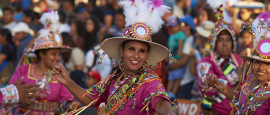
Festivals and public celebrations provide another important part of Bolivia's evening entertainment, with music, dancing and street festivities particularly prominent during Carnaval and regional fiestas. The legal drinking age is 18. Visitors returning to their accommodation late at night should use a reputable taxi or ride-hailing service rather than walking through unfamiliar areas.



 You know where