



Often referred to as the safari capital of northern Tanzania, Arusha is the main base for trips to the Serengeti, Ngorongoro and Mount Kilimanjaro. It has a lively atmosphere and serves as a convenient starting point for many itineraries.
Book and Go

Latest features
Tanzania things to see and do
Arusha
Kilwa Kisiwani
A UNESCO World Heritage Site, Kilwa Kisiwani contains the ruins of a once-powerful Swahili trading city. Mosques, palaces and fortifications stand as reminders of its importance in the Indian Ocean trade.
Lake Manyara National Park
A compact but diverse park known for its tree-climbing lions, flamingos (particularly in the wet season, when thousands gather along the lake), and lush groundwater forests. It is often visited en route to the Ngorongoro Highlands.
Lake Tanganyika
One of the world's deepest lakes, Lake Tanganyika stretches along Tanzania's western border. Its clear waters, forested shores and remote setting make it ideal for those seeking a quieter, off-the-beaten-path experience.
Lake Victoria
Africa's largest lake borders north-western Tanzania and supports a network of towns and fishing communities along its shores. It offers a different perspective on the country, away from the main safari routes.
Marine parks and coastal areas
Tanzania's coastline and islands offer excellent marine experiences. The Mafia Island Marine Park is particularly renowned for its coral reefs, whale sharks and diving opportunities, while other coastal areas provide snorkelling, dhow sailing and relaxed beach settings.
Mount Kilimanjaro
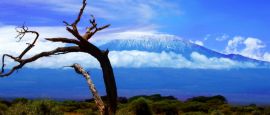
Africa's highest peak and a UNESCO World Heritage Site, Kilimanjaro rises dramatically above the surrounding plains in northeastern Tanzania near the Kenya border. Trekkers are drawn to its snow-capped summit, while even those not climbing can appreciate its presence from nearby towns such as Moshi.
Ngorongoro Conservation Area
A UNESCO World Heritage Site centred around the vast Ngorongoro volcanic crater, this area provides one of the most dramatic safari settings in Africa. The crater floor supports dense wildlife populations, including black rhino, making it a highlight of the northern safari circuit.
Serengeti National Park
One of Africa's most iconic wildlife reserves, the Serengeti is synonymous with vast open plains and extraordinary wildlife concentrations. It is best known for the Great Migration, but offers superb game viewing year-round, including lions, elephants and cheetahs.
Southern circuit (Nyerere and Ruaha National Parks)
The southern parks offer a more remote, less crowded safari experience. Nyerere National Park (formerly part of the Selous Game Reserve) is one of the largest protected areas in Africa, while Ruaha National Park is known for its rugged landscapes and high predator densities.
Tarangire National Park
Famous for its large elephant herds and ancient baobab trees, Tarangire offers a quieter alternative to the Serengeti, particularly rewarding during the dry season when wildlife gathers along the Tarangire River.
Zanzibar (Stone Town)
Stone Town, a UNESCO World Heritage Site, is a maze of narrow streets, carved doors and historic buildings reflecting centuries of Swahili, Arab and European influence. The wider Zanzibar Archipelago offers beaches, spice plantations and coral reefs.
Do you have any Feedback about this page?
© 2026 Columbus Travel Media Ltd. All rights reserved. No part of this site may be reproduced without our written permission, click here for information on Columbus Content Solutions.



 You know where